





About Wave Road
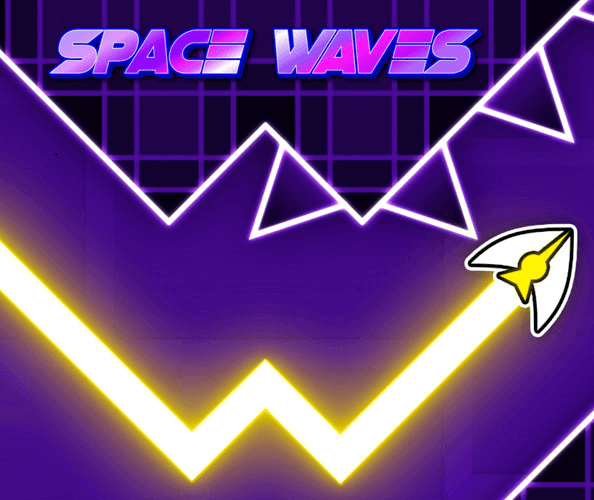
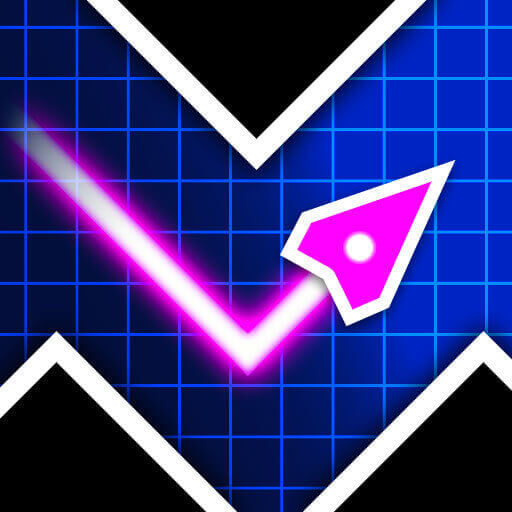
Wave Road asks you to draw a safe rising-and-falling path through a space course. Holding the control sends an arrow upward; releasing it sends the arrow down. Walls, spikes, gears, and blocks restrict how long either movement can continue, so every held input needs a planned release.
The scoring rule gives this flight a distinct purpose: rings matter more than distance alone. Staying alive takes you toward more opportunities, but passing through rings is what adds points. Shiny orb pickups support additional arrow appearances, creating a separate collection choice. A useful approach balances ring alignment, obstacle clearance, and the position needed immediately afterward.
How to Play Wave Road
Hold the left mouse button, Space, Up Arrow, or W to rise, then release to descend. Guide the arrow through rings to score while avoiding every solid obstacle along the route.
- Choose one control and learn how the arrow responds to holding and releasing it.
- Read the next ring together with the obstacles surrounding it.
- Adjust the length of the upward and downward segments to pass through the opening.
- Continue collecting ring points until a collision ends the attempt.
Controls & Timing
Release is an active decision
Letting go creates the descending part of the path. Plan that change before the arrow reaches an upper obstacle. Holding until the last moment can leave no safe downward route through the following space.
Rings and distance are different
The game awards points for passing through rings rather than simply traveling farther. Survival gives access to more rings, but an empty stretch does not replace a missed scoring opportunity. Judge the ring’s entry and exit before committing.
Orbs serve another goal
Shiny pickups contribute to arrow unlocks. They are not the same as the rings used for scoring. Decide whether you are taking a safe collection line or protecting a scoring route when those goals diverge.
Controls
| Input | Action | When to use |
|---|---|---|
| Hold left mouse / Space / Up Arrow / W | Rise | Approach a higher opening or ring |
| Release the active input | Descend | Clear an upper obstacle or reach a lower opening |
High Score Tips
- Plan beyond the ring. Look at the obstacle immediately after a scoring opening. A successful pass is more valuable when the arrow exits on a line that can continue.
- Adjust the duration, not the number of inputs. A high ring may require a longer rise; a narrow passage may need shorter alternation. Repeating the same tapping rhythm ignores the height of the actual route.
- Leave room above before a long descent. Start the downward segment from a position that can reach the intended gap without touching a ceiling first. Preparation matters on both sides of the turn in your flight path.
- Keep scoring and collection decisions separate. A shiny orb can distract from the next ring. Identify which object serves which goal so an optional pickup does not pull you away from a clear scoring passage.
Key Features
- Hold-and-release flight. Two input states produce the arrow’s zigzag path.
- Ring-based scoring. Points depend on passing through rings rather than distance alone.
- Geometric obstacles. Walls, spikes, gears, and blocks limit the available flight space.
- Arrow appearance unlocks. Shiny orb collection supports additional visual choices.
Frequently Asked Questions
How do I score points?
Pass the arrow through the rings. Traveling farther creates more opportunities, but the scoring rule is based on rings crossed, so distance alone does not describe a successful scoring run.
Does releasing the button stop the arrow?
No. Releasing changes the flight into a descent. It is part of the control cycle, so plan where the downward segment should begin instead of treating release as a pause.
Are shiny orbs the same as rings?
No. Rings are scoring targets, while shiny orb pickups support arrow unlocks. Read the surrounding obstacles before choosing either route, particularly when the two objects draw you in different directions.
Which control should a beginner choose?
Use whichever documented input feels comfortable: left mouse, Space, Up Arrow, or W. Stick with one while learning hold duration, so changes in technique do not obscure the flight pattern.
What happens when the arrow hits an obstacle?
The attempt ends and you need another run. A ring or pickup does not cancel that collision, so always consider whether the arrow can safely leave the target after reaching it.