



About Tap Road Beat
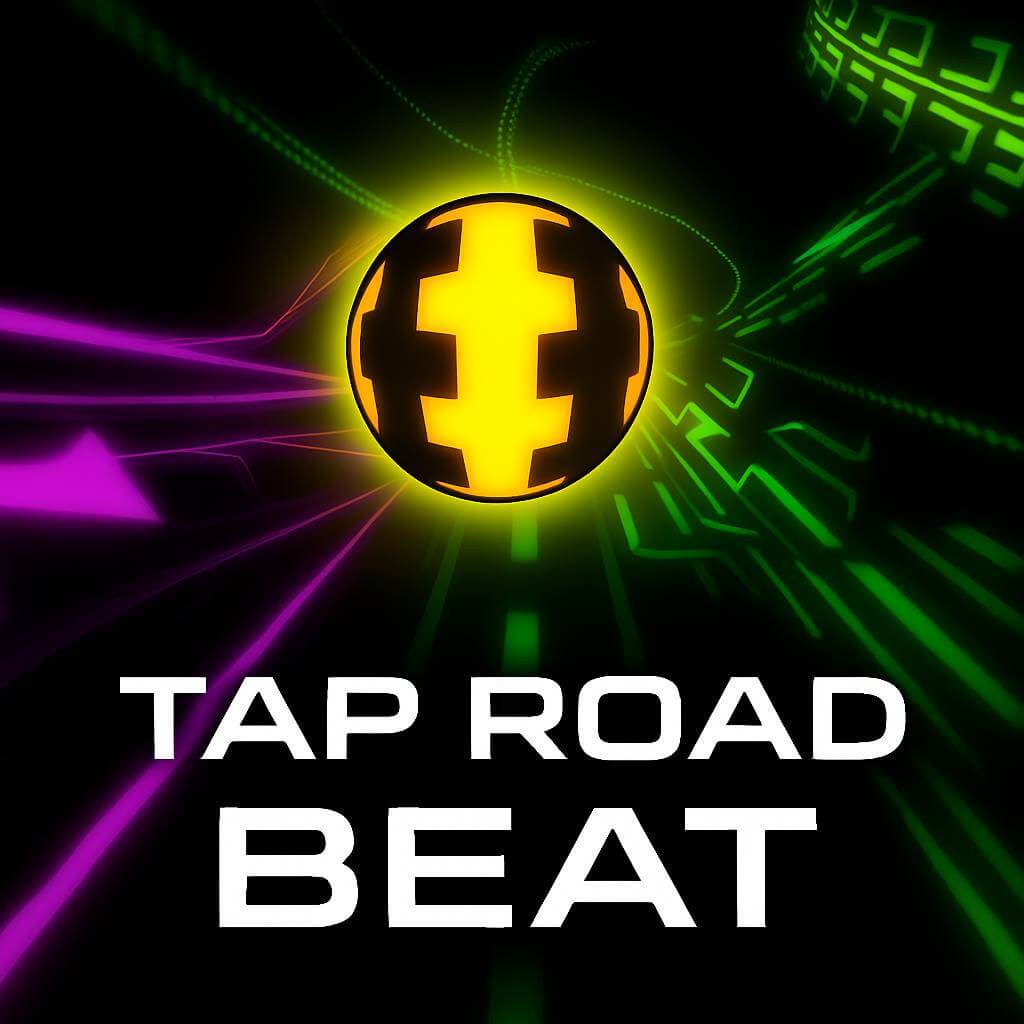
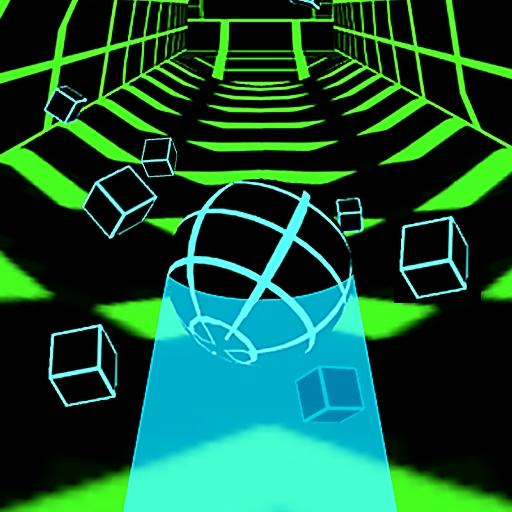
Tap Road Beat gives the lane-switching runner a musical focus. A fast-moving ball travels through neon courses, and your clicks determine when it changes lanes around sharp barriers. The soundtrack provides a sense of pace, but the ball still needs a physically clear route. A well-timed input that sends it toward a hazard is not a useful input.
The game separates an Endless Road Challenge from Level Mode. That difference changes how to approach a session: one invites you to extend a surviving run, while the other gives you a course to complete. Instead of trying to make every click equally spaced, listen for the rhythm while learning the obstacle arrangements that require a particular response.
How to Play Tap Road Beat
Choose a mode, then click the left mouse button to switch the ball between lanes. Keep it away from barriers, take rewards along safe routes, and work toward a longer endless run or completion of the selected level.
- Choose the mode that matches the kind of attempt you want to practice.
- Let the ball advance and identify which lane remains open ahead.
- Switch with a deliberate click, using the soundtrack as a timing reference.
- Review the section that caused a collision before beginning another attempt.
Controls & Timing
Rhythm is a guide, not permission
A beat can help you organize a sequence of movements. It does not make an obstructed lane safe, so watch the course even when the music feels familiar. Adjust the input when the visible arrangement demands it.
Two kinds of objective
An endless attempt measures sustained survival, while a level gives you a specific course to finish. Keep the chosen objective in mind when evaluating progress. Reaching a previously difficult section consistently can be useful even before completing it.
Rewards along a moving route
Pickups add a collection goal to the obstacle course. Decide whether a reward belongs to the route you already intend to use. Changing lanes solely to collect something can disrupt the next required transition.
Controls
| Input | Action | When to use |
|---|---|---|
| Left mouse click | Switch the ball between lanes | Choose a clear route through barriers |
High Score Tips
- Listen before adding more inputs. Use an early, readable section to notice the relationship between the music and your movement. Increasing the number of clicks is not a substitute for recognizing where a transition belongs.
- Practice a short sequence. When a level repeatedly stops you at one point, identify the preceding safe lane and the next required switch. Thinking in a small sequence makes that passage easier to recognize.
- Keep eyes on the next opening. The ball confirms your current position, but the opening tells you what to do next. Move attention forward once a lane change has settled instead of watching the ball throughout.
- Give collection its own attempt. If a reward repeatedly leads to failure, first learn to pass its surrounding hazards safely. Returning with a known route helps distinguish a collection decision from a basic timing problem.
Key Features
- Music-led presentation. The soundtrack adds a timing reference to the moving neon course.
- Endless Road Challenge. A survival-focused option supports repeated distance attempts.
- Level Mode. Defined courses give practice a recognizable completion target.
- Lane-based navigation. A simple switching action leaves attention available for obstacle reading.
Frequently Asked Questions
How is this different from Tap Road?
Tap Road Beat adds a stronger musical focus and a level-based option alongside endless play. The familiar lane-switching action remains, but your practice can now center on completing a particular course.
Do I have to click on every beat?
No fixed click on every beat is necessary. Use the soundtrack as a reference while reacting to the actual route. An unnecessary switch can still place the ball in danger.
Which mode is better for learning?
Choose Level Mode when you want a recognizable course to study, or Endless Road Challenge when you want to practice sustained reactions. The better option depends on what you are trying to improve.
Why can a rhythmic run still fail?
Rhythm alone does not identify the safe lane. You also need to read obstacle positions and check where the ball will travel after the switch, particularly when rewards pull attention away.
Should I prioritize the pickups?
Only when the path remains safe. Establish a repeatable route before adding risky collection decisions; surviving a difficult transition usually teaches more than reaching a reward and immediately crashing.