







About Slope
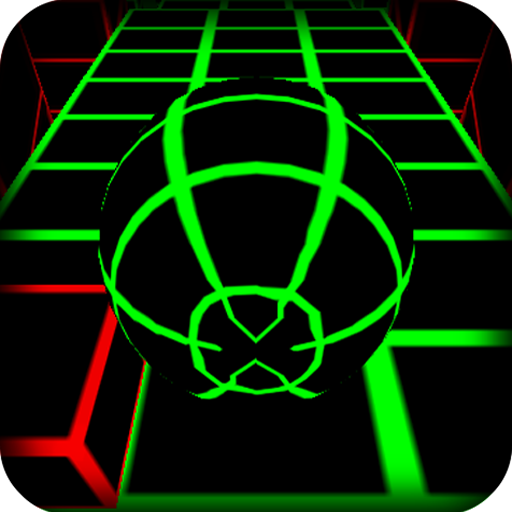
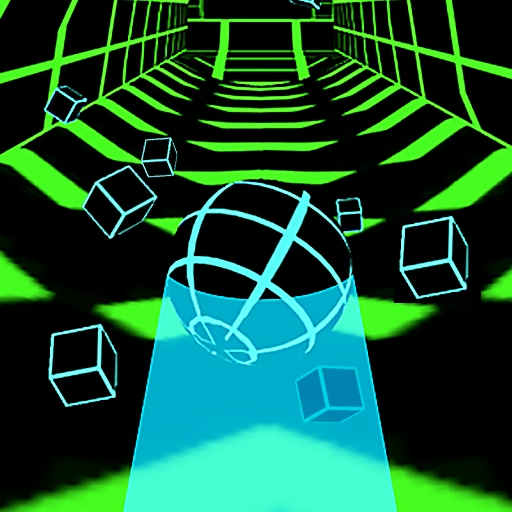
Slope turns a descending neon course into a test of sustained control. The ball moves forward automatically, leaving you to manage its lateral position as ramps, narrow platforms, and red hazards approach. The black-and-green environment makes the road readable, but seeing a danger and reaching a safe line are separate tasks.
There is no finishing gate to make the route a short sprint. The run lasts while you keep the ball away from collisions and drops, and increasing speed makes each decision more urgent. Strong play comes from reading farther ahead and carrying a useful position into the next section, rather than waiting for the nearest obstacle to force a large movement.
How to Play Slope
Steer with Left and Right Arrow or A and D while the ball rolls forward on its own. Avoid red obstacles, stay on the platforms, and extend the run without falling or crashing.
- Locate a clear line through the opening stretch.
- Make lateral adjustments before the next red obstacle blocks that line.
- Watch the destination of a ramp or gap before committing to its approach.
- After a crash, identify the earliest route choice that made recovery difficult.
Controls & Timing
Forward speed is not your main control
The game supplies the forward motion and raises the pressure as the run continues. Your useful decisions concern position and timing. Trying to solve every problem at the point of contact leaves too little road for a controlled response.
A ramp includes its landing
The rising surface is only part of the obstacle arrangement. Look at the platform beyond it and enter with a line that can reach that surface. A safe ramp entry can still produce a poor landing if you ignore what follows.
Controls
| Input | Action | When to use |
|---|---|---|
| Left Arrow / A | Steer left | Move around a hazard or align with a platform |
| Right Arrow / D | Steer right | Move around a hazard or align with a platform |
High Score Tips
- Read a route through the blocks. Choose the open space you intend to use before reaching a red obstacle. Having a destination prevents the rushed left-right reversal that often follows a purely reactive dodge.
- Keep room on both sides when possible. A central line on a clear platform preserves two correction options. You can then move toward the next opening without first recovering from an exposed edge.
- Avoid unnecessary movement in narrow sections. When the ball already has a safe line, an extra input adds risk. Save steering for a visible change in the route instead of constantly adjusting out of habit.
- Review the setup before the crash. A late collision may begin with an awkward landing or an oversized correction farther back. Fixing that setup can remove the emergency that seemed impossible to handle.
Key Features
- Automatic downhill movement. Forward motion leaves your attention free for route selection.
- Red collision hazards. Obstacle placement creates changing paths through the neon course.
- Ramps and platform gaps. Safe movement requires reading both an approach and its destination.
- Endless score chase. Increasing speed makes sustained survival progressively more demanding.
Frequently Asked Questions
Does Slope have a jump button?
The documented controls are lateral steering. Ramps and the course shape affect the ball’s movement, so prepare a suitable approach instead of expecting a separate jump key to rescue a gap.
What causes a run to end?
Colliding with a red hazard or falling away from the course ends the attempt. Remaining on a platform is therefore just as important as passing the obstacle immediately ahead.
Can I slow the ball down?
Forward movement is automatic in this version. Plan around the pace the game provides, using earlier observation and controlled steering rather than relying on an undocumented brake input.
Why is the center useful?
On an unobstructed platform it usually leaves room to steer either way. It is a starting position, not a rule that overrides an upcoming block, curve, or landing requirement.
How do I improve without making faster inputs?
Begin reading the next platform earlier and reduce unnecessary corrections. Better preparation can make a difficult section require fewer actions, even while the ball is moving faster.