




About Wave Dash
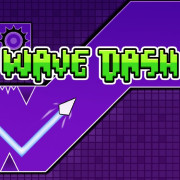
Wave Dash is a flight-control challenge in which your craft traces a zigzag path through geometric obstacles. The craft’s height changes with a held or released input, so a passage is solved by choosing where those changes begin. Rapid clicking alone cannot replace reading the shape of the available corridor.
The level-based browser game rewards recognizing a sequence and then executing it with suitable hold lengths. Colorful scenes and changes in presentation can make familiar movement feel different, but the useful reference remains the space around the craft. Watch the route’s boundaries and keep enough room to reverse direction before a solid shape closes the way.
How to Play Wave Dash
Hold the left mouse button to guide the craft upward and release to descend. Alternate those states to avoid geometric obstacles and continue through the selected level toward its end.
- Choose a level and locate the first open corridor.
- Hold or release according to whether the next passage lies higher or lower.
- Shorten the movement when the ceiling and floor leave little room.
- After a collision, retry with an adjusted duration at the problem section.
Controls & Timing
A hold changes height
The useful effect of holding is upward movement; releasing produces the downward segment. Think about the path being drawn rather than treating the button as a simple accelerator. A planned release is what allows the craft to fit beneath the next obstacle.
Presentation can disrupt a familiar sequence
A visual change can make a corridor harder to recognize at first glance. Reestablish where the safe boundaries are before continuing a remembered rhythm. The craft still needs an opening that matches its current position.
Controls
| Input | Action | When to use |
|---|---|---|
| Hold left mouse | Move upward | Reach a higher passage |
| Release left mouse | Move downward | Fit beneath an obstacle or reach a lower passage |
High Score Tips
- Choose a reversal landmark. Use a visible corner to recognize when the climb should become a descent. A consistent visual reference is easier to refine than an arbitrary count of rapid clicks.
- Read the lower boundary during a descent. Do not focus only on the obstacle you have just passed above. The floor ahead determines how long the release can continue before another hold is required.
- Let wider spaces reset your position. When a corridor opens, arrange a manageable height for its exit. Spending that space on an unnecessary dramatic zigzag can make the following narrow section harder.
- Separate recognition from execution. If you missed the shape of the passage, look farther ahead next time. If you saw it but held too long, change the input duration; those mistakes need different corrections.
Key Features
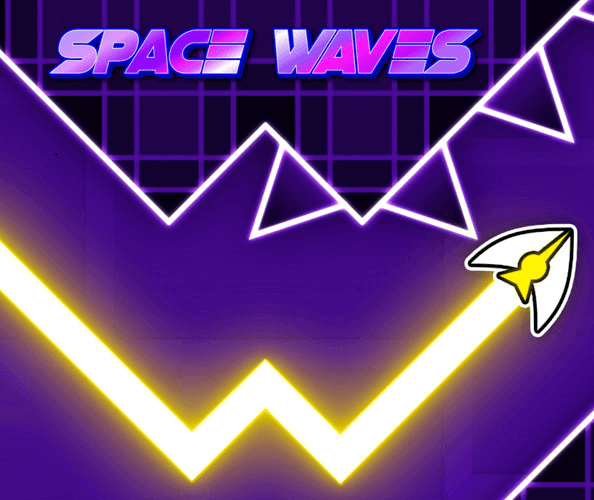
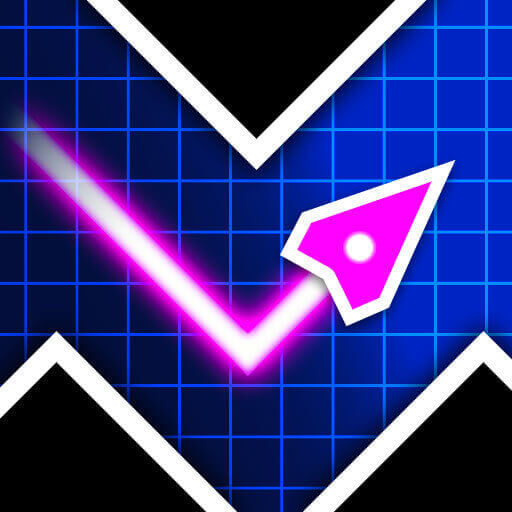
- Wave-shaped flight path. Alternating input states create connected diagonal movements.
- Geometric passages. Solid shapes define the usable space above and below the craft.
- Level-based attempts. Courses give you specific sections to learn and complete.
- Changing visual presentation. Color and scene changes add a route-recognition challenge.
Frequently Asked Questions
Does holding simply accelerate the craft?
The control is described here by its directional effect: hold to go up and release to go down. That distinction matters because clearing a passage depends on height, not an assumed speed control.
How do I stay inside a narrow passage?
Use shorter upward and downward segments that fit between its boundaries. Watch where each segment should end; tapping rapidly without reading the space can still send the craft into a wall.
What should I do when the scene becomes harder to read?
Identify the safe corridor again and relate it to the craft’s current height. Avoid continuing a memorized input pattern until you can see how that pattern fits the visible route.
Is every movement supposed to last the same time?
No. A long open incline may need a sustained hold, while a low ceiling calls for an earlier release. The next opening determines the useful duration of each state.
How can I improve a section that repeatedly ends my attempt?
Pick one visible turning point and change the duration there. Keeping the surrounding movements consistent helps reveal whether the collision came from an early reversal, a late release, or the approach itself.