








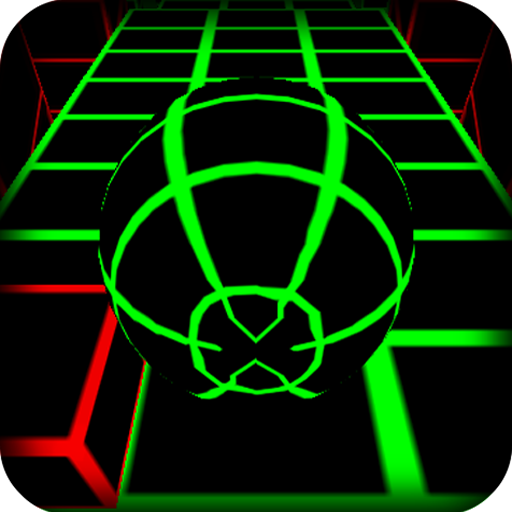
About Curvy Road
Curvy Road is a ball-control game built around a winding three-dimensional path. There is no need for a crowded field of enemies when a curved road and a long drop already create a demanding problem. Your ball must remain on the surface as the route bends, rises, and falls, and the next section determines which steering adjustment will be useful.
The appeal comes from making a series of small corrections look continuous. A dramatic last-second turn might save one corner but leave the ball badly positioned for the next. Work toward a route that uses the available width without living on its edge, and treat a longer surviving journey as the reward for maintaining that control.
How to Play Curvy Road
Use the left and right arrow keys to steer the ball along the winding road. Keep it on the surface through each bend and continue as far as possible without falling into the space below.
- Start the run and observe the width and direction of the opening stretch.
- Steer toward the next usable section as the road begins to bend.
- Ease off the directional input once the ball reaches a safe line.
- After a fall, identify the bend where your position stopped leaving room to recover.
Controls & Timing
Road width is a resource
The middle of a clear stretch gives you room to correct in either direction. Near an edge, one of those options disappears. Move toward a bend with enough margin to respond if the road changes again.
Connected curves
A correction is not finished merely because the ball avoids the immediate drop. Consider where it will enter the following stretch. A slightly less aggressive turn can preserve a much easier approach to the next curve.
Controls
| Input | Action | When to use |
|---|---|---|
| Left Arrow | Steer left | Follow a leftward section or correct position |
| Right Arrow | Steer right | Follow a rightward section or correct position |
High Score Tips
- Aim along the road, not at an edge. Use the shape of the next stretch as your target. Steering away from the nearest drop without choosing a destination can simply send the ball toward the opposite side.
- Shorten unnecessary corrections. Once a turn has put the ball on a useful line, let that adjustment settle. Continuing to steer after the problem is solved can create a new problem at the other edge.
- Read downhill sections early. A descent can make the next bend feel closer than expected. Locate the continuation before entering it, so you are not first searching for the road during the turn.
- Learn from the first drift toward danger. A fall is often the final result of an earlier position error. Review where you lost your margin rather than focusing only on the last emergency input.
Key Features
- Winding three-dimensional road. Curves and changes in elevation define the route.
- Continuous ball guidance. Left and right inputs maintain the line through connected bends.
- Exposed edges. Leaving the available surface ends the journey.
- Distance-focused challenge. Longer controlled runs provide a clear measure of improvement.
Frequently Asked Questions
What is the main goal?
Keep the ball on the winding road for as long as possible. The challenge is maintaining a safe line through connected curves, rather than winning a race against other drivers.
Can I use a brake key?
This guide documents left and right steering only. Do not plan a corner around an assumed brake button; prepare your line earlier and use controlled directional adjustments.
Why does a large correction often fail?
It may solve the first edge problem while carrying the ball too far across the path. Once you have reached a usable line, stop extending the same correction unnecessarily.
Is the center always the correct place?
It is a useful default on a clear stretch because it preserves options. A bend can require a different line, so the next section of road should still determine your position.
What should I practice first?
Choose one type of bend and aim to enter it with room on both sides. Consistent approaches make it easier to recognize whether a missed turn came from timing or from poor initial position.