








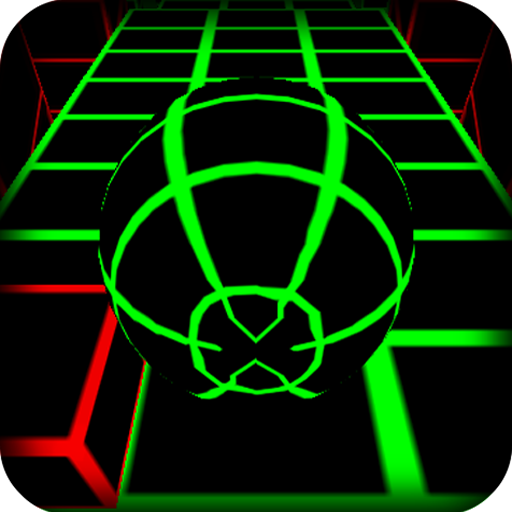
About Twisty Road
At first, Twisty Road can look like a downhill ride that needs occasional steering. The next bend changes that impression: the road curls away, the ball keeps approaching, and a correction has to begin before the supporting surface disappears beneath it. The experience comes from learning to follow a continuous ribbon of track rather than treating each bend as a separate emergency.
A clean passage feels different from a series of near misses. You recognize the direction of the next curve, guide the ball into it, and stop extending the turn once the road straightens. That release of a steering key matters because the track may soon ask for the opposite direction. The reward is a run whose movements fit the curves without constantly rushing from one edge to the other.
How to Play Twisty Road
Use the left and right arrow keys, or A and D, to guide the ball along the twisting track. Stay on the road through the downhill curves and avoid losing the ball over its exposed edges.
- Observe the first bend and locate the road beyond it.
- Steer toward the continuing surface using the appropriate direction.
- Reduce the correction once the ball has a supported route ahead.
- When the attempt ends, review the curve where you first lost a useful line.
Controls & Timing
When a bend begins to open
As the track straightens after a curve, continuing the same steering input can take the ball across the road. Watch for that change in shape and end the turn accordingly. The useful signal is the road opening out, not a fixed amount of time on the key.
An opposite bend feels different
A turn followed by a curve in the other direction asks you to finish one movement before establishing the next. Notice that reversal in the road while it is still ahead. Otherwise, the second curve can feel abrupt even though its shape was visible throughout the approach.
Controls
| Input | Action | When to use |
|---|---|---|
| Left Arrow / A | Steer left | Follow a left bend or correct the line |
| Right Arrow / D | Steer right | Follow a right bend or correct the line |
High Score Tips
- Recognize where the curve relaxes. Look for the part of the track that begins to straighten. It tells you when a sustained turn should end, helping the ball leave the curve without an extra sideways sweep.
- Notice alternating bends before entering them. When the road curves one way and then the other, prepare for two distinct movements. Recognizing the change early helps prevent the first held direction from continuing into the second bend.
- Separate scenery from usable road. On a twisting course, nearby track can draw your eye away from the section currently supporting the ball. Follow the continuous route rather than the most visible piece of scenery.
- Treat a fall as a route-reading clue. Ask whether the turn was missed because you looked too late or steered too far. Those are different errors and need different adjustments on the next run.
Key Features
- Twisting downhill track. Connected curves make the route itself the main challenge.
- Keyboard steering. Two directions guide the ball along the available surface.
- Exposed track boundaries. A poorly chosen line can take the ball off the road.
- Continuous positioning. Every corner affects the approach to the next section.
Frequently Asked Questions
Is this a click-to-turn game?
This description covers the browser version with left and right steering through arrow keys or A and D. Use directional corrections rather than applying a single-click zigzag control scheme.
Should I hold a direction throughout a curve?
Hold it only as long as the route needs that correction. The useful duration depends on your position and the bend, so watch where the ball is heading while steering.
Can I rely on dropping onto a lower road?
Do not make an accidental fall your main route. The dependable objective is to follow the supported track; recovery behavior can differ between versions and is not needed for a clean approach.
Why does the next bend cause trouble after a successful turn?
The first turn may have left the ball too close to an edge or pointing across the next section. Judge a correction by its exit position as well as its immediate survival.
What is a useful beginner target?
Try to finish several connected curves with room remaining on the road. Maintaining that margin builds more reliable control than repeatedly saving the ball at the last possible moment.